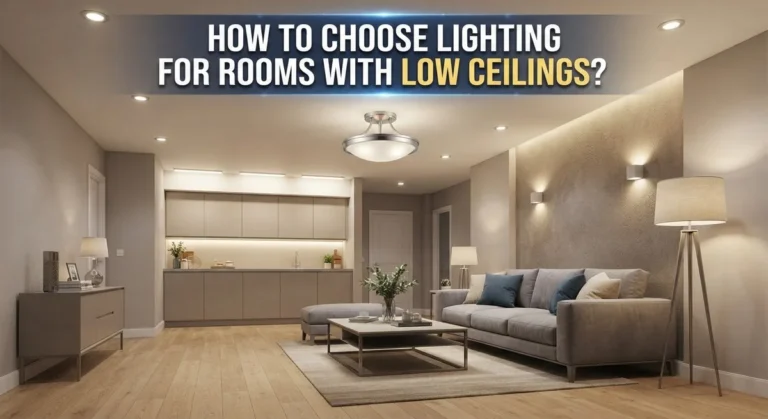

How to Choose a Statement Light Fixture That Fits Your Style
A statement light fixture can change how a room feels. It draws the eye up. It gives your space a clear focal point.
But picking the right one takes more than just good taste. You need to think about size, style, and function together.
Many people choose a fixture they love, only to find it feels too small or too big once installed. Others pick something bold but forget it needs to work with the room’s existing lighting.
This guide will help you avoid those mistakes. You will learn how to measure your space correctly. You will also learn how to match a fixture’s scale to your room size.
We will cover how to create visual contrast so your fixture stands out instead of blending in. You will also see how to layer ambient, task, and accent lighting for balance.
By the end, you will know exactly how to choose a statement piece that fits your style and your space. No guesswork. Just simple steps that lead to a fixture you will love for years.
In a Nutshell
Choosing the right statement light fixture comes down to a few simple checks. Here is a quick summary to keep in mind before you shop.
-
Measure your space first. Check the room’s length, width, and the surface area where your fixture will hang. This helps you avoid picking something too small or too big.
-
Match scale to room size. Large rooms can handle oversized pendants or chandeliers. Smaller spaces need more compact options.
-
Create contrast with your palette. If your room has light or neutral tones, pick a fixture that stands out. This draws the eye and adds character.
-
Balance style with function. A fixture should look good, but it also needs to light the room well. Think about ambient, task, and accent lighting together.
-
Plan hanging height carefully. The right height changes how much visual impact your fixture makes. Too high or too low can throw off the whole look.
-
Take stock of your whole home. Before buying, list every space that needs a fixture. This keeps your lighting choices consistent and well coordinated.
What Makes a Light Fixture a Statement Piece
A statement light fixture goes beyond basic illumination. It becomes a focal point that draws the eye and sets the mood for an entire room. The key difference between an ordinary fixture and a statement piece lies in how it captures attention.
Statement fixtures work through several core principles. First, they create visual contrast against your room’s existing design. A dark, sculptural pendant in a bright, minimalist space immediately becomes noticeable. The fixture stands apart rather than fading into the background.
Second, these pieces balance style with practical function. A beautiful fixture that casts poor light fails as a statement piece. It needs to illuminate the space effectively while looking intentional and striking. This means combining ambient light, task light, and accent light throughout your room.
Third, scale matters enormously. A statement fixture must match your room’s proportions. An oversized chandelier in a small bedroom overwhelms the space. A tiny pendant in a large, open loft gets lost. The fixture’s size should command attention without dominating uncomfortably.
Fourth, statement pieces often feature bold design elements. These might include unusual shapes, rich colors, interesting materials, or striking patterns. The fixture should reflect your personal style while enhancing the room’s overall aesthetic.
Finally, placement determines impact. A statement fixture works best in spaces that need visual interest. Entry halls, dining areas, and living rooms benefit most from these eye-catching pieces. Placing your fixture where people naturally gather amplifies its effect.
Understanding these principles helps you identify what makes a fixture worthy of the “statement” label. It’s not simply about choosing something expensive or trendy. Instead, it’s about selecting a piece that transforms your space through thoughtful design, proper scale, and intentional placement. When all these elements align, your fixture becomes more than lighting. It becomes art.
Assessing Your Room’s Style and Existing Palette
Your room’s style sets the foundation for choosing a statement light fixture. Start by looking at what you already have. Check your walls, furniture, flooring, and existing décor. Are your colors warm or cool? Do you prefer modern, traditional, or eclectic styles?
Take time to notice your room’s color palette. Light and neutral rooms (whites, grays, beiges) need fixtures that create visual contrast. A dark or colorful fixture will pop against these backgrounds. Rooms with rich colors or patterns can handle fixtures that complement or echo those tones.
Look at your furniture style too. Modern spaces work well with sleek, geometric fixtures. Traditional rooms pair nicely with ornate or classic designs. Transitional spaces give you flexibility to blend styles. Your fixture should feel like it belongs in the room, not like it was dropped in from somewhere else.
Scale matters when matching your fixture to the space. Large rooms need bigger, bolder fixtures to make an impact. Small rooms work better with proportional or delicate pieces. A tiny pendant in a huge living room will disappear. An oversized chandelier in a small bedroom will overwhelm the space.
Check how much natural light your room gets. Bright, sunny rooms can handle darker fixtures. Darker rooms benefit from fixtures that reflect and spread light effectively. This affects both style and function.
Think about the mood you want to create. A sleek metal fixture feels modern and energetic. A vintage or ornate piece feels warm and inviting. Glass or crystal elements add elegance and sparkle. Fabric shades create softer, cozier atmospheres.
Finally, consider your room’s existing lighting. Do you have task lighting at desks or reading areas? Ambient light from other sources? Your statement fixture should work with these layers, not fight against them. This balance keeps your space functional and beautiful.
Measuring Your Space for the Right Fixture Scale
Start by measuring your room’s length and width. These two numbers tell you how much space your fixture needs to fill. A small room demands a proportional fixture, while a large room can handle something bold and oversized.
Next, measure the surface where your fixture will hang. If you’re installing a pendant above a dining table, measure that table’s width. A fixture should relate to the object beneath it. Most designers suggest your fixture width should be about one third to one half of the surface below.
Determine your hanging height carefully. Standard recommendations place pendants 12 to 20 inches below the ceiling. However, if you’re hanging above furniture, aim for 24 to 36 inches above the surface. This height creates visual impact without blocking sightlines or making the space feel cramped.
Consider the room’s ceiling height too. Rooms with 8 foot ceilings need different proportions than rooms with 10 or 12 foot ceilings. Taller spaces can accommodate larger, more dramatic fixtures without overwhelming the room.
Scale affects how people perceive your space. An undersized fixture in a large room gets lost. An oversized fixture in a small room makes the area feel cluttered. Match your fixture’s scale to your room’s actual dimensions.
Think about visual impact zones. Your fixture should dominate the space where people naturally look. In a dining room, that’s above the table. In an entryway, that’s where guests first enter.
Create a simple sketch of your room with measurements. Mark where your fixture will hang and note the dimensions of nearby furniture. This visual reference prevents costly mistakes. Accurate measurements ensure your statement piece enhances rather than overwhelms your space.
Determining Ideal Hanging Height and Placement
Hanging height determines how your statement light fixture interacts with the room and its occupants. Start by measuring from your ceiling down to key surfaces like dining tables, kitchen islands, or entryway floors. This measurement guides where your fixture should stop.
Standard hanging heights work well for most spaces. Pendants typically hang 12 to 20 inches below the ceiling in rooms with standard 8 to 9 foot ceilings. For dining areas, aim for 30 to 36 inches above the table surface. This height lets people see across the table without the fixture blocking their view.
Higher ceilings need different calculations. In rooms with 10 foot or taller ceilings, you can hang fixtures lower to maintain visual balance. A fixture that hangs too high gets lost in the space and loses its impact.
Consider traffic patterns when placing your statement light. Position fixtures away from doorways and common walking paths. This keeps people safe and prevents head bumping. In entryways, center the fixture directly over the space you want to highlight.
Multiple fixtures need careful spacing. If you’re installing several statement lights in one room, space them evenly. Measure the distance between each fixture and ensure they align with furniture below.
Test your placement before final installation. Use a temporary marker or tape to outline where the fixture will hang. Stand at different angles and heights to see how it looks from various viewpoints.
Room function affects placement too. Kitchen islands work best with fixtures centered directly overhead. Hallways benefit from fixtures placed along the ceiling line rather than clustered in one spot.
Placement creates visual flow through your home. Statement lights should draw attention to your room’s best features. Position them to highlight architectural details, artwork, or furniture arrangements. This strategic placement makes your fixture feel intentional rather than random.
Balancing Ambient, Task, and Accent Lighting
Your statement light fixture works best when it partners with two other lighting types. These three layers create a complete, functional space that looks great and serves your needs.
Ambient lighting forms your base layer. This is the general light that fills your entire room. Overhead fixtures, recessed lights, and wall sconces provide this foundation. Your statement fixture can be ambient lighting, but it shouldn’t be your only light source. Ambient light lets you move safely through the room and sets the overall mood.
Task lighting handles specific activities. This includes desk lamps for work, under cabinet lights for cooking, and reading lights near seating areas. Task lighting is bright and focused. It helps you see clearly when you need precision. Your statement fixture alone cannot provide adequate task lighting for most activities. You need dedicated task lights in work zones.
Accent lighting highlights special features and adds visual interest. Picture lights above artwork, uplighting on plants, or spotlights on architectural details all qualify as accent lighting. Accent lighting creates depth and drama in your room. Your statement fixture often serves this role by drawing the eye and adding personality.
Here’s the practical approach: Start by assessing what each zone needs. A kitchen requires strong task lighting over counters and islands. A bedroom needs softer ambient light plus focused task lighting for reading. A living room benefits from layered ambient light with accent pieces that showcase your style.
Your statement fixture fits into this system strategically. In some rooms, it becomes your primary ambient light. In others, it functions as pure accent lighting while other fixtures handle ambient and task needs. The key is ensuring all three layers work together. This balance prevents dark corners, eliminates eye strain, and lets your statement piece shine without carrying the entire lighting load.
Coordinating Fixtures Across Multiple Rooms
When you have multiple rooms, consistency matters. You don’t need identical fixtures everywhere, but they should feel connected to each other.
Start by listing every room that needs a statement light. Walk through your home and note where fixtures will go. Include entryways, dining areas, bedrooms, and any other spaces. This inventory prevents you from making random choices that clash later.
Next, identify a unifying element across your fixtures. This could be a shared material like brass, wood, or glass. It could also be a design theme such as geometric shapes or vintage vibes. The connection doesn’t have to be obvious. Subtle links work just as well as bold matches.
Consider your home’s overall color story. If your walls lean toward warm tones, choose fixtures with warm metals or finishes. If your palette is cool and modern, select fixtures with chrome or sleek lines. This creates flow without feeling repetitive.
Scale matters when coordinating. A large chandelier in your dining room calls for proportional pendants in your kitchen or hallway. Tiny fixtures scattered throughout make spaces feel disjointed. Match the drama level of your statement pieces to each room’s size and function.
Create a simple reference board with photos of your chosen fixtures. This helps you visualize how they work together before purchasing anything. Take pictures of your rooms and place fixture images over them mentally.
Don’t feel pressured to buy everything at once. Coordinate fixtures gradually as you update each space. This approach gives you time to ensure each piece genuinely works in your home. You’ll also avoid buyer’s remorse from rushed decisions.
Finally, trust your instincts about what feels cohesive. Your home should reflect your personality while maintaining visual harmony across rooms.
Common Mistakes to Avoid When Choosing a Statement Fixture
Choosing a statement light fixture is exciting, but several common pitfalls can derail your decision. Understanding these mistakes helps you make smarter choices for your space.
The biggest error is ignoring your room’s actual dimensions. Many people fall in love with a fixture online, then discover it overwhelms their space once installed. Measure your room length, width, and ceiling height before shopping. A massive chandelier looks ridiculous in a small bedroom, just as a tiny pendant disappears in a sprawling living room.
Another frequent mistake is skipping the functional lighting check. Your statement piece must still provide adequate light for daily activities. A beautiful fixture that casts shadows everywhere creates frustration, not style. Ask yourself: does this fixture support how I actually use this room?
Neglecting visual contrast is equally problematic. Your statement light should stand out from existing elements, not blend into them. If your walls are already bold and colorful, a neutral fixture might get lost. Conversely, an overly ornate fixture in a minimalist room feels out of place.
People also make the mistake of buying fixtures without considering coordination. Each room’s statement light doesn’t need to match perfectly, but your home should feel intentional. A Victorian chandelier in one room paired with ultra modern fixtures elsewhere creates visual confusion.
Poor placement planning causes regret too. Installing a statement fixture directly above where people sit or walk creates glare and awkwardness. Think about sightlines and traffic patterns before finalizing placement.
Finally, many rush their decision. Statement fixtures are investments in your home’s appearance. Take time to live with your ideas. Look at reference images. Visualize how the fixture interacts with your existing décor. Patience prevents expensive mistakes and ensures you genuinely love your choice for years to come.
Final Thoughts
Choosing a statement light fixture feels exciting once you know what to look for. You now have the tools to pick a piece that truly fits your style.
Start with your room’s dimensions. Measure the length, width, and hanging height before you fall in love with any fixture.
Think about contrast first. Your statement piece should stand apart from the room’s existing colors and textures. This contrast draws the eye and creates real impact.
Remember that lighting works as a team. Your statement fixture shines brightest when ambient, task, and accent lighting support it properly. Skipping this balance leaves rooms feeling incomplete.
Scale matters more than people realize. A tiny pendant gets lost in a large room. An oversized chandelier can overwhelm a small space. Match your fixture size to your room size every time.
If you’re outfitting multiple rooms, plan ahead. Create a simple inventory of every space that needs a statement light. This helps you coordinate style and avoid mismatched choices later.
Avoid rushing your decision. Take time to test placement, check proportions, and confirm the fixture works with your existing lighting plan. Quick decisions often lead to regret.
Trust your personal taste too. Facts and measurements guide you, but your instincts matter just as much. Choose something that makes you smile every time you walk into the room.
A statement light fixture does more than illuminate a space. It reflects your personality and ties your home’s design together.
Take these practical steps, apply them room by room, and you’ll choose fixtures that feel both functional and beautiful. Your home deserves lighting that works well and looks amazing too.
Frequently Asked Questions
What size statement light fixture should I choose for my room?
Start by measuring your room’s length and width. A fixture that’s too small disappears in a large space, while an oversized one overwhelms a cozy area. For pendant lights, the diameter should be about one third the width of the surface below it. If you’re hanging a chandelier, measure your ceiling height and add 12 inches to find the ideal size. Larger rooms easily handle bold, oversized fixtures, while smaller spaces work better with medium or scaled-down options.
How do I know if a fixture matches my room’s style?
Think about the existing palette and décor in your space. Your statement fixture should create visual contrast rather than blend in. If your room features light, neutral tones, choose a fixture in a darker finish or bold color. If your walls are already dark, a bright or metallic fixture draws the eye. The key is making your fixture stand out as a focal point while still feeling intentional with your room’s overall design.
Where should I place a statement light fixture in my home?
Place statement fixtures in spaces that need visual interest and serve a functional purpose. Entryways, dining areas, and kitchen islands are ideal locations. Bedrooms and living rooms also benefit from statement lighting. Avoid placing multiple statement fixtures too close together, as they compete for attention. One bold fixture per room usually works best.
How many statement fixtures do I actually need?
Walk through your home and note every area that needs lighting. Not every room requires a statement piece. Focus on spaces where you spend time or entertain guests. A home inventory helps you identify which rooms would benefit most from a bold fixture versus standard lighting options.

DK is the founder and lead writer at Smart Lighting Finds, where he helps readers discover the best lighting products through honest, hands-on reviews and in-depth comparisons. With a deep passion for home improvement and smart technology, DK is dedicated to making every lighting decision easier and brighter for his readers.