How to Layer Lighting for a Well-Lit Room: A Complete Guide
Have you ever walked into a room and felt like something was off? Maybe the light felt flat. Maybe it left shadows in all the wrong places.
This usually happens when a room relies on just one light source. A single overhead fixture cannot do all the work alone.
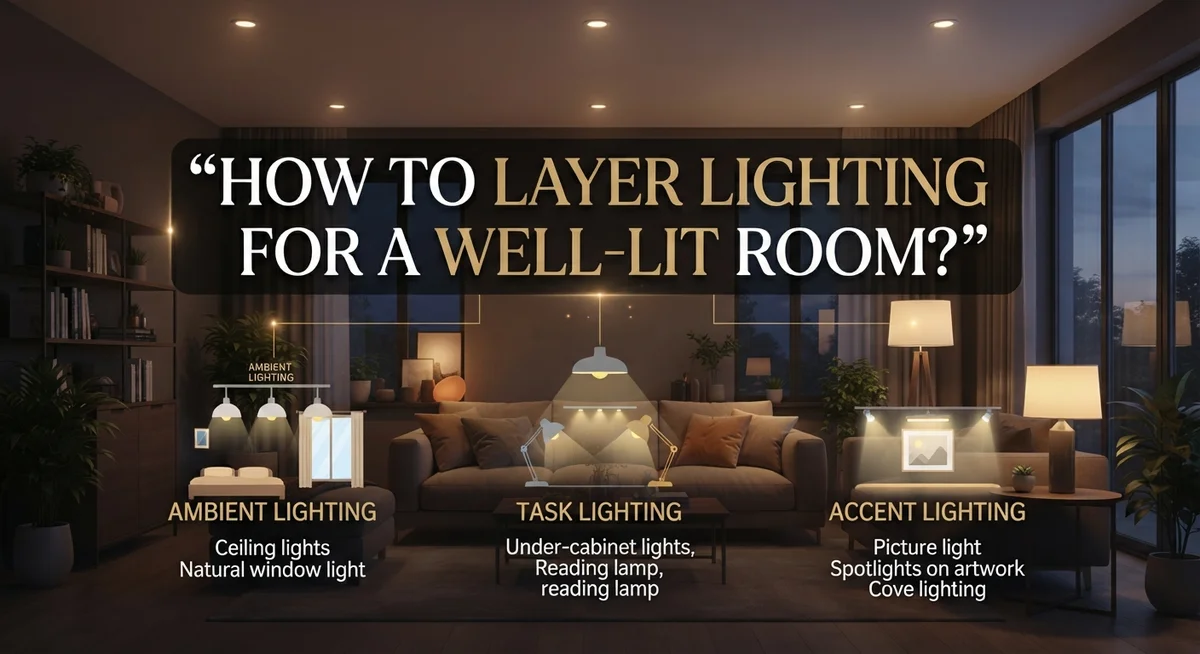
The secret to a beautifully lit space lies in layering. Layered lighting combines three key elements: ambient, task, and accent light. Each layer plays its own role in the room.
Ambient light fills the space with general brightness. Task light helps you focus on specific activities, like reading or cooking. Accent light adds mood and highlights your favorite decor pieces.
When you blend these three layers, you create a room that feels warm and functional. It works for daytime tasks and cozy evenings alike.
This guide will walk you through each lighting layer in detail. You will learn how to plan your lighting, choose the right bulbs, and avoid common mistakes.
By the end, you will know exactly how to make any room feel bright, balanced, and inviting.
In a Nutshell
Layering light is simple once you know the basics. Here is a quick summary to keep in mind.
-
Use three layers: ambient, task, and accent lighting. Each one plays a different role in the room.
-
Plan before you shop. Think about how the room will be used before you pick fixtures.
-
Set a budget early. This helps you choose fixtures and bulbs without overspending.
-
Mix fixture types and metals. This adds depth and keeps the room from feeling flat.
-
Place lamps near seating areas. This creates a soft, cozy glow for evenings.
-
Match color temperature to the room’s purpose. Warm light feels cozy, while cool light feels alert and bright.
-
Avoid relying on one overhead light. This is the most common lighting mistake people make.
-
Adjust lighting by room type. Bedrooms need a calmer, cozier feel, while living rooms can handle brighter, more dynamic lighting.
Following these simple steps will help any room feel balanced and inviting, no matter its size or purpose.
Understanding the Three Layers of Lighting
Every well lit room uses three distinct lighting layers working together. Each layer serves a different purpose, and understanding how they work helps you design a space that feels both functional and comfortable.
Ambient lighting is your foundation layer. This is the general brightness that fills your entire room. It comes from ceiling fixtures, recessed lights, or wall sconces. Ambient light lets you see everything clearly without strain. It sets the overall mood of the space.
Task lighting handles specific activities. This layer helps you see clearly when you read, cook, work, or apply makeup. Desk lamps, under cabinet lights, and reading lights are examples. Task lighting is brighter and more focused than ambient light. It illuminates the exact area where you need it most.
Accent lighting adds visual interest and depth. This decorative layer highlights artwork, architectural features, or plants. Picture lights, track lights, and uplights create drama and personality. Accent lighting transforms a flat room into one with dimension and style.
Here’s why all three matter. Using only overhead light creates harsh shadows and feels cold. Adding task lighting lets you work comfortably in specific zones. Accent lighting then brings warmth and sophistication to the entire space.
Think of it like cooking. Ambient light is your base ingredient. Task light adds the main flavor you need. Accent light provides the finishing touch that makes everything special.
The best rooms combine all three layers in balanced amounts. Your ambient light should be soft enough to feel welcoming. Your task light should be bright enough for real work. Your accent light should highlight what makes your room unique. Together, these three layers create spaces that look and feel amazing.
Why Layered Lighting Matters for Your Space
Layered lighting matters because it transforms how a room feels and functions. A single overhead light creates harsh shadows and flat, uninviting spaces. When you use multiple light sources, you gain control over brightness, mood, and usability throughout the day.
Balanced lighting reduces eye strain. Your eyes work harder when one bright fixture dominates a room. Multiple softer sources spread light evenly, making the space more comfortable for reading, working, or relaxing.
Different activities need different light levels. You might need bright, focused light for cooking or reading. The same room needs softer, warmer light for unwinding in the evening. Layered lighting lets you adjust and adapt without redesigning your space.
Layered lighting creates visual depth. Accent lights highlight artwork, plants, or architectural features. This adds dimension and makes rooms feel larger and more interesting. Flat, one-note lighting misses these opportunities entirely.
A well-lit room also improves mood and productivity. Research shows that varied, balanced lighting supports better focus during work and promotes relaxation during downtime. Poor lighting contributes to fatigue and headaches.
Layering also saves energy. You can use lower wattage bulbs in multiple fixtures instead of one powerful overhead light. Dimming options give you flexibility without waste.
Finally, layered lighting is cost effective over time. While initial setup requires planning, you avoid expensive renovations later. A thoughtful lighting plan works for years, regardless of furniture changes or room redesigns.
The bottom line: layered lighting isn’t a luxury. It’s a practical investment that makes every room work better, feel better, and look better.
Creating a Lighting Plan Before You Start
Before you buy a single light fixture, spend time planning your room’s lighting strategy. This step saves money and prevents costly mistakes later.
Start by identifying your room’s purpose. A bedroom needs softer, cozier light. A home office requires brighter, more focused illumination. A living room falls somewhere in between. Each space demands different lighting levels.
Next, map out your room’s layout. Walk through at different times of day. Notice where natural light enters. Identify seating areas, work zones, and architectural features you want to highlight. This observation helps you place fixtures strategically.
Consider your room’s size and shape. Larger spaces need more light sources spread throughout. Smaller rooms can work with fewer fixtures positioned carefully. Awkward layouts might need creative solutions like floor lamps or wall mounted options.
Set a realistic budget early. Decide how much you can spend on all lighting combined. This prevents overspending on one fancy fixture while neglecting other layers. Budget helps you prioritize which areas matter most.
Think about color temperature preferences. Warm light feels inviting and relaxing. Cool light promotes focus and alertness. Your plan should specify which temperature suits each zone.
Finally, list the activities happening in your room. Reading, cooking, getting dressed, and relaxing all need different light amounts. Your plan should address each activity’s lighting needs.
Write everything down. Sketch your room layout. Note fixture locations and types. Include color temperatures and brightness levels. This written plan becomes your shopping guide and installation map. You’ll stay organized and avoid impulse purchases that don’t fit your overall vision.
Step-by-Step: Building Ambient, Task, and Accent Layers
Start by placing your ambient lighting first. This layer provides general illumination throughout your entire room. A ceiling fixture or recessed lights work well as your foundation. Make sure this light covers the whole space evenly without creating dark corners.
Next, add task lighting where you actually work or read. Position a lamp near your desk, bedside table, or reading chair. Task lights should shine directly on your work surface. This prevents shadows and reduces strain on your eyes. Desk lamps, under cabinet lights, and focused wall sconces all serve this purpose well.
Finally, layer in accent lighting to add depth and personality. Place these lights to highlight artwork, bookshelves, or architectural details. Wall sconces flanking a mirror work beautifully. Picture lights above paintings create focal points. These accent pieces don’t need to be bright. Their job is to draw attention and create visual interest.
Here’s the practical approach: start with ambient, then add task lights where needed, then finish with accent pieces. This order ensures you build a solid foundation first.
Mix your fixture types as you go. Combine overhead lights with table lamps and wall mounted options. This variety creates a more dynamic feel than matching everything perfectly.
Pay attention to brightness levels too. Your ambient layer should be moderate. Task lighting should be brighter than ambient. Accent lighting should be subtle and gentle.
Test your setup before finalizing placement. Turn on each layer individually to see how it performs. Then combine them to check the overall balance. Adjust fixture positions or swap bulbs if needed.
This layering method transforms any room from flat and boring into welcoming and functional.
Choosing Bulbs, Color Temperature, and Fixture Variety
Choosing the right bulbs and fixtures forms the backbone of effective layered lighting. Your bulb selection directly impacts how your room looks and feels throughout the day.
Color temperature matters more than you think. This measurement tells you whether light appears warm or cool. Warm light (around 2700K) creates cozy, relaxing spaces perfect for bedrooms and living areas. Cool light (around 4000K or higher) works better for kitchens, bathrooms, and workspaces where you need clarity and focus.
Start by determining what color temperature suits each room’s purpose. Bedrooms benefit from warmer tones that promote relaxation. Home offices need cooler, brighter light to maintain alertness. Living rooms often work best with a middle ground that feels inviting yet functional.
Fixture variety prevents boring, flat lighting. Mixing different fixture types creates visual interest and functional depth. Combine ceiling fixtures with table lamps, wall sconces, and floor lamps. Different metals like brass, chrome, and matte black add character to your space. This variety ensures light comes from multiple angles rather than one harsh source.
When selecting bulbs, consider wattage carefully. Ambient lighting typically uses 60 to 100 watt equivalent bulbs. Task lighting needs brighter options around 75 to 100 watt equivalents. Accent lighting works with lower wattages, around 40 to 60 watt equivalents.
Pay attention to bulb shape and finish too. Frosted bulbs diffuse light softly. Clear bulbs create sharper illumination. Different shapes work better in specific fixtures, so check your fixture requirements before purchasing.
Testing your chosen bulbs in actual fixtures before final installation saves frustration. Light behaves differently depending on the fixture type and room surfaces.
Room-by-Room Approaches to Layered Lighting
Living rooms need bright, welcoming light that adapts to different activities. Start with a ceiling fixture or recessed lights for your ambient layer. This provides the base brightness your space requires.
Add task lighting near seating areas where people read or work. Table lamps on side tables work well. Floor lamps positioned behind chairs cast light over shoulders without creating glare. Wall sconces flanking a reading chair also function beautifully.
Accent lighting adds warmth and character to living rooms. Consider uplighting behind plants or artwork. Picture lights above wall decorations draw attention. Shelving with small lights creates visual interest and depth.
Bedrooms demand a cozier approach than living areas. Skip harsh overhead fixtures in favor of softer options. Install bedside table lamps for reading without disturbing a sleeping partner. Wall sconces on either side of the bed provide gentle illumination.
Add dimmers to all bedroom layers. This lets you adjust brightness for different times of day. Accent lighting near a reading nook or vanity adds function and style.
Kitchens require bright, focused task lighting. Pendant lights over islands illuminate work surfaces. Under cabinet lighting makes countertops visible and functional. Add ambient light with recessed fixtures in the ceiling.
Bathrooms need bright, even lighting around mirrors. Vanity sconces on both sides prevent shadows on faces. Overhead ambient lighting ensures you see the entire space clearly. Accent lighting is optional but can highlight architectural features.
Home offices combine living room and kitchen approaches. Desk lamps provide essential task light for computer work. Ambient ceiling light reduces eye strain. Add accent lighting to personalize your workspace. Position task lights to avoid screen glare.
Each room benefits from mixing these three layers. Your specific needs determine which layer receives priority in each space.
Common Mistakes to Avoid When Layering Light
Relying on a single overhead light is the most common mistake people make. This approach creates harsh shadows and flat, uninviting spaces. Your room feels cold and functional rather than warm and welcoming.
Ignoring color temperature causes another major problem. Mixing warm and cool bulbs in the same room creates visual confusion. Your eyes struggle to adjust, and the space feels disjointed. Pick one temperature and stick with it throughout your layers.
Placing all your lights at the same height leads to boring, predictable lighting. Vary your fixture heights to create depth and visual interest. Some lights should sit low near seating. Others should hang higher on walls or from ceilings.
Forgetting to account for natural light is a costly error. Daylight changes throughout the day and seasons. Your evening lighting needs differ from midday needs. Test your setup at different times before finalizing placement.
Underestimating how much task lighting you actually need creates problems too. People strain their eyes in dim spaces. Add more focused light near work areas than you think necessary. You can always dim it down later.
Overcrowding your space with too many fixtures creates visual clutter. Each light should serve a clear purpose. Ask yourself why each fixture exists before installing it.
Poor positioning of lamps wastes their potential. A lamp placed behind you creates shadows where you need light most. Position task lights to the side or slightly in front of where you sit or work.
Finally, avoid installing all your lighting on a single switch. Multiple switches give you control and flexibility. You can adjust brightness and mood based on time of day and activities happening in your space.
Troubleshooting a Poorly Lit Room
A poorly lit room feels uncomfortable and uninviting. The good news is that you can fix this problem by understanding what’s missing from your current setup.
Start by identifying which lighting layer is absent. Most rooms suffer from relying too heavily on one source. Your overhead fixture alone cannot do everything. It cannot provide focused task lighting for reading. It cannot create warm accent lighting for ambiance. This is why you feel something is off.
Walk through your room at different times of day. Notice where shadows fall. Pay attention to where you struggle to see clearly. These problem areas show you exactly what you need to add.
Check your color temperature next. Harsh, cool white light makes spaces feel sterile and uninviting. Warm light feels more natural and comfortable. If your overhead light feels too bright or cold, switching to warmer bulbs helps immediately.
Count how many light sources you currently have. Most poorly lit rooms have just one or two. Add table lamps near seating areas. Position them where people actually sit and spend time. Floor lamps in corners add depth and reduce shadows.
Examine your fixture heights too. Everything at ceiling level creates flat, boring lighting. Lamps at different heights create visual interest and better functionality.
Consider adding dimmers to your existing fixtures. This gives you flexibility to adjust brightness for different moods and activities.
The solution is simple: add more sources at different heights and types. Layer ambient light from above, task light near work areas, and accent light for warmth. This combination transforms any poorly lit room into a well balanced, comfortable space.
Final Thoughts
Layering light transforms any room from flat to inviting. It’s about combining three layers instead of relying on one bright bulb overhead.
Ambient, task, and accent lighting each play a different role. Together, they create balance and depth in your space.
Start small if you feel unsure. Add one lamp near your favorite chair. Notice how the room feels warmer already.
Planning matters more than spending. You don’t need every fixture at once. Build your lighting layers over time as your budget allows.
Pay attention to color temperature throughout this process. Warm light suits bedrooms and living rooms. Cooler light works better in kitchens and workspaces.
Remember that height and placement change everything. Mix table lamps, floor lamps, and overhead fixtures for visual interest.
Test your lighting at different times of day. Morning light differs from evening needs. Your layered setup should adapt to both.
Dimmers give you control without extra cost. They let one fixture serve multiple purposes throughout the day.
Avoid common traps like overcrowding a space with too many fixtures. Simplicity often works better than excess.
Walk through each room and ask what feels missing. Is it warmth? Function? Character? Each layer answers a different question.
Good lighting doesn’t happen overnight. It grows through small adjustments and honest observation of how you use each space.
Trust your eyes more than any strict rule. If a room feels comfortable and functional, your layering is working.
Well-lit rooms feel welcoming, practical, and alive. With patience and the right layers, any room can reach that balance naturally.
Frequently Asked Questions
What is the difference between ambient, task, and accent lighting?
These three layers serve different purposes in your room. Ambient lighting provides general illumination throughout your space. It fills the room with soft, even light so you can see everything comfortably.
Task lighting focuses bright light on specific areas where you work or read. A desk lamp or kitchen counter light falls into this category. Task lighting helps you see details clearly without straining your eyes.
Accent lighting highlights decorative elements and adds visual interest. Wall sconces, picture lights, and uplighting create depth and personality in your room.
How do I choose the right color temperature for each layer?
Color temperature affects how your room feels. Warmer tones (2700K to 3000K) create cozy, inviting spaces. Use these for bedrooms and living areas.
Cooler tones (4000K to 5000K) work better for task lighting in kitchens and home offices. They help you focus and see details more clearly.
Match your color temperature across all three layers for a cohesive look. Mixing warm and cool light creates an unbalanced, uncomfortable feel.
Should every room use the same lighting approach?
No. Different rooms have different needs. Bedrooms require softer, dimmer lighting for relaxation. Living rooms benefit from brighter ambient light with flexible task options.
Kitchens need strong task lighting on work surfaces. Bathrooms require bright, even light for grooming tasks.
Start by thinking about what activities happen in each room. Then build your lighting layers around those activities.
Can I add layered lighting to a room I already have?
Yes. You don’t need to redesign everything at once. Start by adding one or two new fixtures to create depth.
A simple floor lamp brings task lighting to a reading corner. Wall sconces add accent interest without major installation. Build gradually as your budget allows.

DK is the founder and lead writer at Smart Lighting Finds, where he helps readers discover the best lighting products through honest, hands-on reviews and in-depth comparisons. With a deep passion for home improvement and smart technology, DK is dedicated to making every lighting decision easier and brighter for his readers.