How to Automate Home Lighting to Deter Burglars While on Vacation?
Going on vacation should be exciting, not stressful. But every year, over one million burglaries occur in the United States, and a staggering 72% of those happen when nobody is home. Burglars look for clear signs that a house is empty. Dark windows at night, piled up mail, and unchanging outdoor scenes all scream “easy target.” The good news? You can fight back with one of the simplest tools available: automated home lighting.
Smart lighting technology has changed the game for homeowners who want to protect their property while they are away. You no longer need to leave a single lamp burning for a week straight or hope your neighbor remembers to swing by. Modern smart bulbs, plugs, and switches let you control your home’s lights from anywhere in the world. You can set random schedules, trigger motion sensors, and even pair lights with cameras.
This guide walks you through every step of setting up automated lighting that makes your home look lived in, even when you are thousands of miles away. From budget friendly options to full smart home setups, you will find practical solutions that fit your needs and your wallet.
Key Takeaways
Most burglaries target empty homes. FBI data shows that 72% of residential burglaries happen when no one is home, making vacation periods a prime window for break ins. Automated lighting directly addresses this vulnerability by simulating occupancy.
Random scheduling beats fixed timers. A light that turns on at exactly 7:00 PM every night is easy for a burglar to spot as a timer. Smart lights with randomized schedules create unpredictable patterns that look far more natural and realistic.
You do not need an expensive system to start. A few smart plugs or smart bulbs can cost under $50 total and deliver meaningful security improvements. You can always expand your setup later with outdoor lights, motion sensors, and full home automation.
Indoor and outdoor lighting work together. Interior lights in different rooms create the look of someone moving through the house. Outdoor motion sensor lights add another layer by startling anyone who approaches your property after dark.
Lighting pairs well with other security measures. Combine automated lights with security cameras, smart locks, and alert systems for a complete protection plan. Research shows that homes without a security system are 300% more likely to be burglarized.
Remote control gives you real time power. Smart lighting apps let you turn any light on or off from your phone instantly. If a neighbor texts you about suspicious activity, you can flood your home with light in seconds.
Why Burglars Target Homes That Look Empty
Burglars are opportunistic by nature. According to FBI data, only 12% of burglaries are planned in advance. Most break ins are impulse decisions based on what the burglar sees in the moment. A home that looks dark and empty at 9:00 PM on a weeknight sends a clear signal.
The average burglary takes just 8 to 10 minutes. Burglars want speed and ease. They check for alarm system signs, look at the lighting situation, listen for dogs, and scan for cameras. If your home has none of these deterrents, it becomes a far more attractive target.
Vacation periods are especially risky. Newspapers pile up. Grass grows longer. The driveway stays empty. And the lights never change. These patterns are easy to spot for someone watching a neighborhood. A study found that 83% of would be burglars check for the presence of an alarm system before attempting a break in.
Lighting plays a direct role in this assessment. A completely dark home at night is a red flag. But a home with lights turning on and off in different rooms at various times looks occupied. This simple visual trick can be the difference between a burglar choosing your house or moving on to an easier target. The goal is to remove the visual cues that signal an empty home.
How Automated Lighting Creates the Illusion of Occupancy
The concept is straightforward. People move through their homes in predictable but slightly varied ways each day. They turn on the kitchen light in the morning, the living room light in the evening, and the bedroom light before bed. Automated lighting mimics these daily patterns so your home appears active.
Smart bulbs and plugs connect to your home Wi Fi network. You control them through a smartphone app or voice assistant. Most apps allow you to create schedules that turn specific lights on and off at set times. The best setups add randomization to those schedules, varying the on and off times by 15 to 30 minutes each day.
This randomization matters. A light that clicks on at exactly 6:45 PM and off at exactly 10:30 PM every single night looks mechanical. A seasoned burglar who watches your house for two or three evenings will notice the pattern. But a light that turns on somewhere between 6:30 and 7:00 PM and off between 10:00 and 11:00 PM looks human.
You can also stagger lights across multiple rooms. Program the living room to come on first, then the kitchen 20 minutes later, then the bedroom upstairs an hour after that. This movement from room to room is exactly what real occupancy looks like. Some smart home platforms like Home Assistant even let you build “vacation mode” automations that handle all of this with a single button press.
Smart Plugs: The Easiest Way to Start
If you have never used smart home technology before, smart plugs are the simplest entry point. A smart plug fits into any standard electrical outlet. You then plug your existing lamp into the smart plug. The plug connects to your Wi Fi, and you control it through an app on your phone.
Setup takes about five minutes per plug. Download the app, follow the pairing instructions, and name your device something easy to remember like “Living Room Lamp” or “Bedroom Light.” Once connected, you can turn the lamp on or off from anywhere with an internet connection.
Most smart plug apps include a scheduling feature. You set the days and times you want the plug to turn on and off. Some apps also offer a “random” or “away” mode that adds slight variations to your schedule automatically. This is the feature you want for vacation security.
Pros of Smart Plugs:
They are affordable, often costing under $15 each. They require zero wiring or installation skill. They work with any lamp or device you already own. They are easy to set up and move to different outlets as needed.
Cons of Smart Plugs:
They only offer on/off control, meaning no dimming or color changes. They depend on a stable Wi Fi connection. Power outages can reset schedules on some models. They add a small amount of bulk to your outlet, which may block adjacent sockets.
Smart plugs are perfect for renters or anyone who wants a quick, low cost security boost without committing to a larger system.
Smart Bulbs: More Control and Flexibility
Smart bulbs go a step beyond plugs. You replace your existing light bulb with a Wi Fi or Zigbee enabled smart bulb. These bulbs connect to your app and offer dimming, color temperature adjustment, and scheduling all from your phone.
The dimming feature is especially useful for creating realistic scenarios. A living room light that dims gradually over the course of an evening looks far more natural than one that snaps off suddenly. Some smart bulbs can also change color temperature from warm yellow in the evening to cool white in the morning, further mimicking real daily behavior.
Popular smart bulb ecosystems integrate with voice assistants. You can group bulbs by room and create scenes. For example, a “Movie Night” scene might dim the living room and turn off the kitchen. A “Bedtime” scene might turn everything off except a dim hallway light. These scenes can be scheduled to run automatically while you are on vacation.
Pros of Smart Bulbs:
They offer dimming and color control for more realistic lighting patterns. They are easy to install in any standard socket. They integrate well with voice assistants and smart home hubs. Many models are energy efficient LEDs.
Cons of Smart Bulbs:
They cost more per unit than smart plugs. They may require a hub for Zigbee models. If someone turns off the physical light switch, the smart bulb loses power and cannot respond to commands. They are less useful in fixtures where the bulb is not the main control point.
For the best vacation security effect, use smart bulbs in rooms visible from the street, such as the living room, kitchen, and a front bedroom.
Smart Switches: A Permanent Upgrade
Smart switches replace your existing wall switches and give you automated control over your entire light fixture. Unlike smart bulbs, a smart switch controls whatever bulbs are installed in that circuit. This means you can use regular bulbs and still get smart features.
Installation requires some basic electrical work. You will need to turn off the circuit breaker, remove the old switch, connect the wires to the new smart switch, and mount it in the wall box. If you are not comfortable working with electrical wiring, hire a licensed electrician. Most installations take 15 to 30 minutes per switch.
Once installed, smart switches work through apps just like plugs and bulbs. You can set schedules, create scenes, and control them remotely. The major advantage is that the physical switch still works normally. Family members or guests can flip the switch on and off without disrupting the smart features, unlike smart bulbs which lose connectivity when the switch is turned off.
Pros of Smart Switches:
They work with any standard bulb. The physical switch remains fully functional. They provide a clean, permanent installation with no visible smart home hardware. Some models support dimming.
Cons of Smart Switches:
They require electrical installation. They cost more upfront than plugs or bulbs. Not all homes have a neutral wire in the switch box, which some smart switches require. They are a less portable solution if you move.
Smart switches are ideal for homeowners who want a permanent, polished smart lighting solution for long term security.
Setting Up a Randomized Lighting Schedule
A fixed lighting schedule is better than no schedule at all, but randomization is what truly fools a watchful burglar. Here is how to build a convincing randomized schedule for your vacation.
Start by thinking about your normal daily routine. What time do you usually turn on the kitchen light? When does the living room light go on in the evening? What time does the last light turn off at night? Write these times down. This becomes your baseline schedule.
Next, add randomization. Most smart home apps allow you to set a time range rather than a fixed time. Set the kitchen light to turn on between 6:00 AM and 6:30 AM, and off between 7:30 AM and 8:00 AM. Set the living room light to turn on between 6:30 PM and 7:15 PM, and off between 10:00 PM and 11:00 PM. This creates a different pattern each day.
Include at least three to four different rooms in your schedule. A single light turning on and off in one room looks suspicious. Multiple lights in different areas of the house suggest someone moving around. Add a bathroom light that turns on briefly around 6:00 AM and again at 10:00 PM. This small detail adds a realistic touch.
Do not forget about weekend variations. If you normally sleep in on Saturdays, push your morning light schedule 90 minutes later for Saturday and Sunday. This level of detail makes your automated lighting almost impossible to distinguish from real occupancy.
Using Outdoor Motion Sensor Lights
Outdoor lighting is your first line of defense against burglars. A dark exterior invites trouble. Motion sensor lights that activate when someone approaches your home can startle an intruder and draw attention from neighbors.
Place motion sensor lights at every entry point. The front door, back door, garage, and any side entrances should all have coverage. Aim the sensors so they activate when someone steps onto your property, not just when they are at the door. This gives earlier warning and a longer period of illumination.
Modern smart outdoor lights combine motion detection with app connectivity. When motion is triggered, the light turns on and your phone receives an alert. Some models also activate a connected camera to record video. This combination gives you both a visual deterrent and evidence collection in one device.
Pros of Motion Sensor Outdoor Lights:
They activate only when needed, saving energy. They startle intruders with sudden bright light. Smart models send real time alerts to your phone. They illuminate dark areas around your home for general safety.
Cons of Motion Sensor Outdoor Lights:
They can be triggered by animals, wind, or passing cars, causing false alerts. Constant false triggers can lead to neighbors ignoring the light. Some models require wiring for power. Weather exposure can reduce lifespan.
Adjust the sensitivity and range of your motion sensors before leaving for vacation. Run a few tests by walking through the detection zones at night to make sure coverage is adequate and false triggers are minimal.
Integrating Lights With a Smart Home Hub
A smart home hub connects all your devices into one unified system. Instead of managing separate apps for your bulbs, plugs, switches, and cameras, a hub lets you control everything from a single interface.
Popular hubs include devices that work with platforms like Google Home, Apple HomeKit, and Samsung SmartThings. Open source options like Home Assistant offer advanced users complete control over every aspect of their automation. These platforms let you create complex routines that trigger multiple devices at once.
For vacation lighting, a hub lets you build a single “vacation mode” automation. When you activate it, the hub runs your entire randomized lighting schedule, adjusts outdoor lights, and arms your security sensors. One tap replaces dozens of individual settings.
Hubs also enable device interaction. A motion sensor on your porch can trigger the hallway light inside to turn on. A door sensor can activate the living room lights. These linked behaviors create the appearance of a responsive, occupied household even though no one is there.
Pros of Smart Home Hubs:
They centralize control of all devices. They enable complex automations across multiple device types. They reduce the number of apps on your phone. They allow device to device communication.
Cons of Smart Home Hubs:
They add cost to your setup. They require time to learn and configure. A hub failure can disable your entire system. Compatibility issues can arise between brands.
If you plan to expand your smart home over time, investing in a hub early makes the long term setup much smoother.
Pairing Lighting With Cameras and Alarms
Automated lighting works best as part of a layered security strategy. Lights alone may not stop a determined burglar, but lights combined with cameras and an alarm system create a powerful deterrent. Research shows that homes without a security system are 300% more likely to experience a break in.
Set up your system so that devices communicate with each other. When your outdoor camera detects motion after dark, it can trigger the porch light and a hallway light to turn on. This mimics someone hearing a noise and checking the front door. The camera records the event, and you receive an instant alert on your phone.
Smart alarms add another dimension. If a window sensor or door sensor is triggered, the alarm sounds, the lights flash or turn on, and the cameras begin recording. Many systems also send alerts to a professional monitoring service that can contact local police on your behalf.
The key is to create the impression of an active security system. Even if a burglar is not aware of the specific components, the combination of lights, cameras, and audible alarms sends a clear message: this home is protected and monitored. Most burglars will simply leave and find an easier target.
Consider placing a visible camera near your front door and a security system sign in your yard. Studies show that 83% of burglars look for alarm systems before attempting a break in. The visual presence of security equipment matters as much as the equipment itself.
Common Mistakes to Avoid With Automated Lighting
Even a good lighting setup can fail if you make certain errors. Here are the most common mistakes homeowners make with automated vacation lighting and how to fix them.
Using only one light. A single lamp on a timer in the living room is not convincing. Burglars know this trick. Use at least three to four lights in different rooms to create realistic movement patterns throughout the house.
Keeping the same schedule every day. Fixed schedules are easy to detect. Always add randomization to your timing. A 15 to 30 minute variation window makes a big difference in how natural the lighting pattern appears.
Forgetting daytime lighting. Most burglaries actually happen during the day, between 10:00 AM and 3:00 PM. Do not focus all your automation on nighttime. Include brief daytime light activations, such as a kitchen light in the morning or a bathroom light in the afternoon.
Ignoring outdoor lights. Interior lights are important, but a completely dark exterior is still a red flag. Make sure your outdoor porch lights and pathway lights are part of your schedule.
Not testing before you leave. Always run your full automation schedule for two or three nights before your trip. Watch from outside to see if the pattern looks natural. Check that every device connects properly and responds to commands. Fix any issues before you leave.
Budget Friendly Options for Every Homeowner
You do not need to spend thousands of dollars to automate your home lighting for security. Here is a breakdown of what different budget levels can achieve.
Under $30: Purchase two or three basic smart plugs. Connect them to lamps in your living room, bedroom, and kitchen. Use the free app to set schedules with random timing. This setup provides meaningful deterrent value for very little cost.
Under $100: Add smart bulbs to key fixtures for dimming and more realistic behavior. Include one outdoor smart bulb for your porch light. Combine with smart plugs for a mixed setup that covers both interior and exterior.
Under $250: Add a smart home hub and two outdoor motion sensor lights. Build a comprehensive vacation mode automation that controls all your lights from one interface. Include a Wi Fi camera for your front entrance for added security.
Under $500: Build a full system with smart switches in main rooms, outdoor motion sensor lights at all entry points, a smart home hub, and two to three cameras. Add a smart lock and door sensors for complete coverage.
The important thing is to start where your budget allows. Even the simplest setup of a few smart plugs makes your home look more occupied than a completely dark house. You can always add more devices over time as your budget grows. The security improvement from even a basic automated lighting setup is significant.
Testing Your Setup Before You Leave
Testing is a critical step that many homeowners skip. You need to verify that every component works as expected before you are hundreds or thousands of miles away.
Start your testing at least three days before your departure. Activate your vacation mode or schedule and let it run overnight. Go outside after dark and observe your home from the street. Do the lights turn on and off at reasonable times? Does the pattern look like someone is home? Can you see the lights from the street?
Check your phone notifications and app controls. Try turning each light on and off manually through the app. Test the motion sensor lights by walking through the detection zones. Verify that your cameras are recording and sending alerts.
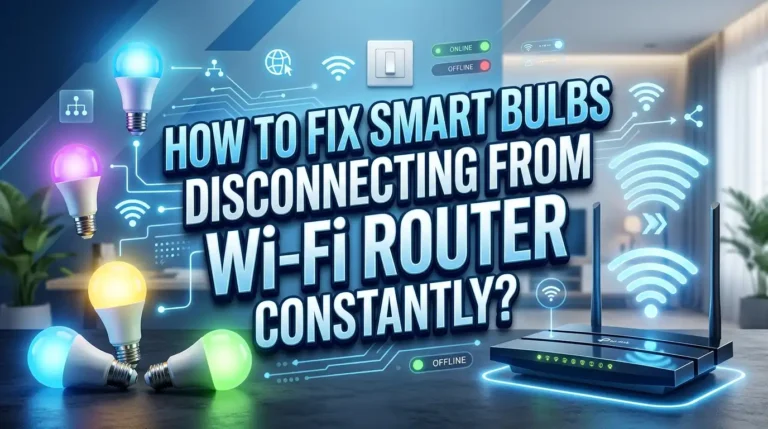
Make sure your Wi Fi network is stable. Smart home devices depend on your internet connection. If your router tends to restart or lose connection, consider upgrading or adding a mesh network node to ensure reliable coverage throughout your home.
Also, tell a trusted neighbor or friend about your setup. Give them basic instructions on what to do if they notice something unusual. A human backup complements your automated system and provides an extra layer of security that technology alone cannot replace.
Additional Tips to Make Your Home Look Occupied
Automated lighting is powerful, but combining it with other strategies makes your home even more convincing. A multi layered approach gives the best results.
Ask a neighbor to park in your driveway occasionally. An empty driveway is one of the biggest giveaways that a home is vacant. Even a car parked there two or three times a week breaks the pattern of absence.
Put your TV or radio on a smart plug and schedule it to turn on during evening hours. The flickering light of a television screen is visible from outside and adds another layer of realism to your occupied home illusion.
Hold your mail and pause newspaper delivery. Alternatively, ask a neighbor to collect your mail daily. A stuffed mailbox is an obvious sign that no one has been home for days.
Arrange for lawn care to continue on its regular schedule. Overgrown grass or unshoveled snow (depending on the season) broadcasts that the homeowner is away. Keep your yard looking maintained.
Set your smart thermostat to its normal schedule rather than turning it off completely. Extreme temperature changes can sometimes cause visible effects like frost on windows or excessive condensation that signal an empty home. Plus, a running HVAC system creates subtle signs of activity.
What to Do If Something Goes Wrong While You Are Away
Even the best systems can experience issues. Knowing how to respond remotely keeps you in control.
If your smart devices go offline, check your router first. Many routers support remote restart through their own app. A quick restart often reconnects your devices. If your internet service goes down entirely, contact your ISP’s support line to report the outage and get an estimated restoration time.
If you receive a motion alert or camera notification that looks suspicious, do not ignore it. Contact a trusted neighbor immediately and ask them to check on your home. If you believe a break in is happening, call your local police department directly. Provide them with any camera footage or screenshots you have.
Consider having a backup plan for your lighting. Simple battery powered lights with basic timers can serve as a secondary system in case your smart devices fail. Place one in a front window and one in a side window as a failsafe.
Keep your smart home app updated to the latest version before you leave. Outdated apps can lose compatibility with devices or cloud services during your trip. Also ensure that your device firmware is current, as manufacturers often release updates that improve connectivity and stability.
Frequently Asked Questions
Do lights on timers really deter burglars?
Yes, lights on timers can deter burglars, but smart lights with randomized schedules are far more effective than basic timers. A fixed timer that turns a light on and off at the exact same time every day is easy for a watching burglar to identify. Smart lights that vary their on and off times by 15 to 30 minutes each day look much more natural. Pair timed interior lights with outdoor motion sensor lights for the best results. Research consistently shows that a well lit, apparently occupied home is far less likely to be targeted.
How many lights should I automate for vacation security?
A minimum of three to four lights in different rooms provides a convincing pattern of occupancy. Include at least one light on the ground floor visible from the street, one in the kitchen or dining area, and one in a bedroom or upstairs room. Add outdoor porch and pathway lights for exterior coverage. The more rooms you include, the more realistic the simulation looks to someone watching from outside.
Can I control smart lights without Wi Fi?
Most smart lights require a Wi Fi connection for remote control from your phone. However, some devices that use Zigbee or Z Wave protocols can operate through a local hub without internet access. The hub stores your schedules locally and executes them even if the internet goes down. Bluetooth based smart bulbs can work without Wi Fi but only within close range, which makes them impractical for vacation use.
Are smart lights worth it just for security?
Absolutely. Smart lights offer security benefits that extend far beyond vacation protection. You can turn on lights before arriving home at night, set outdoor lights to respond to motion year round, and control your home’s lighting from anywhere. The average cost of a burglary to the homeowner is around $2,800 in losses. A basic smart lighting setup costs under $50, making it an extremely cost effective security investment.
What happens if there is a power outage while I am away?
Most smart plugs and bulbs will return to their previous state or reset to off after a power outage. When power is restored, the devices reconnect to Wi Fi and resume their schedules. Some smart home hubs store schedules locally, so they resume automations automatically. To protect against brief outages, consider using a small uninterruptible power supply (UPS) for your router and hub to keep them running during short power interruptions.
Should I leave some lights on all the time or automate them?
Automation is always better than leaving lights on constantly. A light that stays on 24 hours a day, seven days a week, actually signals that no one is home to turn it off. Real households turn lights on and off throughout the day. Automated lights that follow a realistic schedule with some randomization look far more natural and are more effective at deterring burglars than any single light left burning indefinitely.

DK is the founder and lead writer at Smart Lighting Finds, where he helps readers discover the best lighting products through honest, hands-on reviews and in-depth comparisons. With a deep passion for home improvement and smart technology, DK is dedicated to making every lighting decision easier and brighter for his readers.